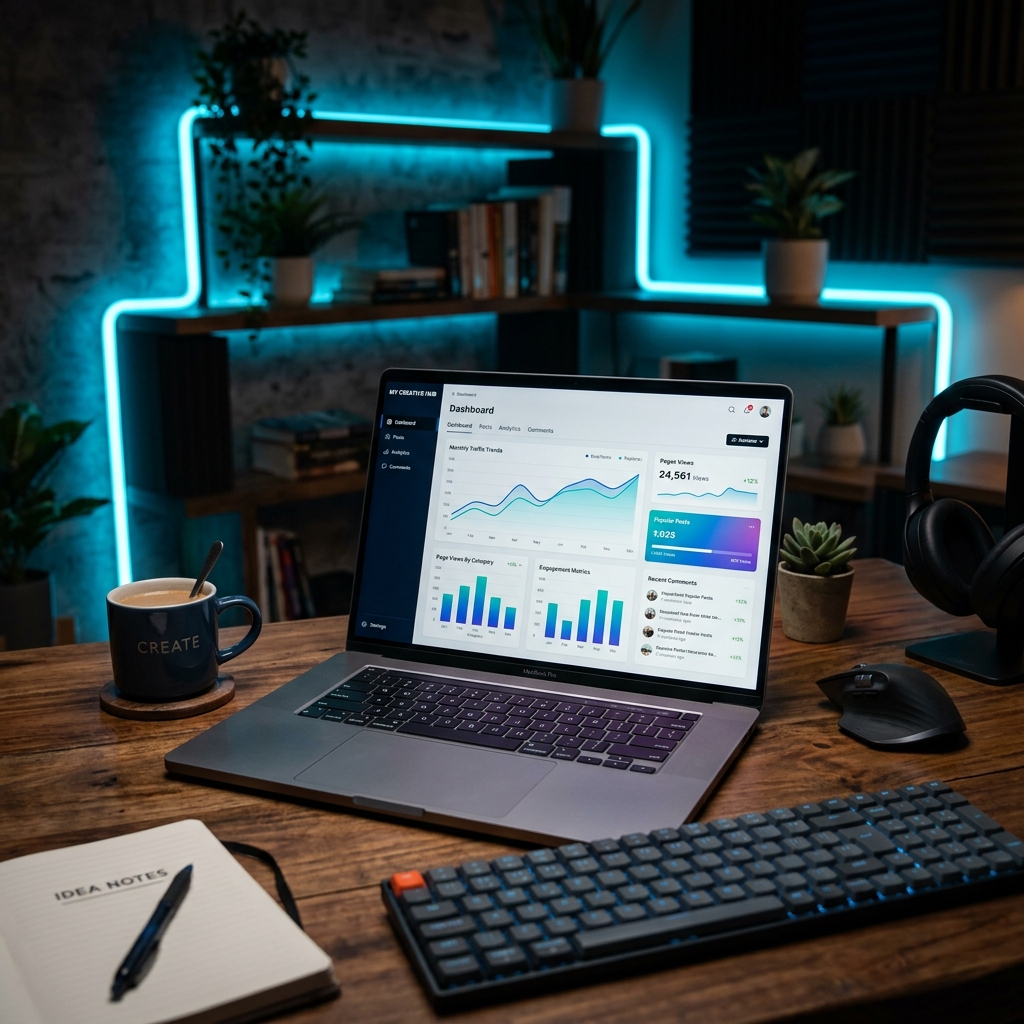
When we launched JinStudio, we realized that blogging in 2026 is no longer about publishing brief 300-word personal updates. Modern search engines like Google prioritize search intent, first-hand experience, fast page load speeds, and strict E-E-A-T (Experience, Expertise, Authoritativeness, and Trustworthiness) standards.
If you want to build a real online income stream, launching a blog remains one of the most profitable, low-cost digital business models available. In this step-by-step guide, we share our exact blueprint for starting, ranking, and monetizing a successful blog in 2026.
Before you start writing, make sure you have the right tools! Read our guide on How to Make Money Online with Free Tools and explore our Free Web Developer Tools.
Step 1: How to Choose a Profitable Blogging Niche in 2026
The biggest mistake new bloggers make is choosing a topic that is too broad or lacks monetization potential. In 2026, targeting a specific sub-niche allows you to establish domain authority quickly.
- Top High-RPM Niches in 2026: Software & Coding Tutorials, Financial Technology, Digital Marketing, AI Productivity Tools, and Creator Software.
- Niche Validation Rule: Ensure your chosen topic has active search volume and clear monetization pathways (Google AdSense, digital downloads, or affiliate programs).
Step 2: How to Secure Your Domain & Fast Cloud Hosting
Your web hosting speed directly impacts both Google rankings and user retention. Google penalizes slow websites with poor Core Web Vitals performance.
- Domain Name: Keep it short, memorable, and brandable (e.g., ending in
.comor.net). Avoid hyphens or complex numbers. - Cloud Hosting: Choose a reliable cloud host with built-in SSL certificates, HTTP/3 support, and server-side caching (e.g., Hostinger, Cloudflare, or AWS).
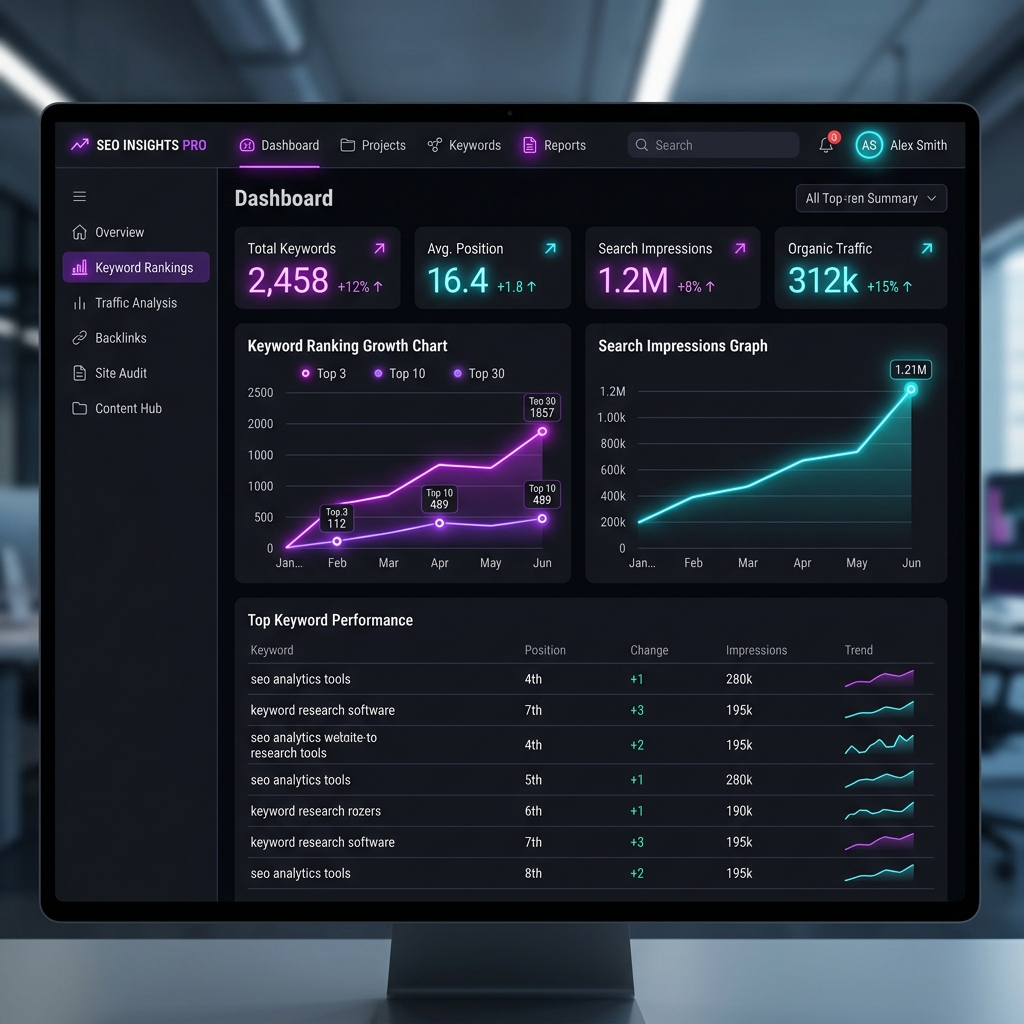
Step 3: Design a Fast, Mobile-Responsive Website
Over 70% of global web traffic comes from mobile devices. Your blog must feature a clean, dark-mode friendly design with fast rendering times.
Step-by-Step Tutorial: Publishing Your First Authority Blog Post
- Conduct Keyword Research: Find long-tail keywords with low competition using Google Search Console or free keyword tools.
- Structure Your Content: Use clear
H2andH3headings, bullet lists, and comparison tables for scannability. - Add Custom Visuals: Create original images or infographics (check our guide on Best Free Graphic Design Tools).
- Optimize Meta Tags: Write compelling title tags and meta descriptions including your primary keyword.
Step 4: How to Monetize Your Blog Traffic
Once you consistently publish high-quality articles, you can activate multiple revenue streams on your platform.
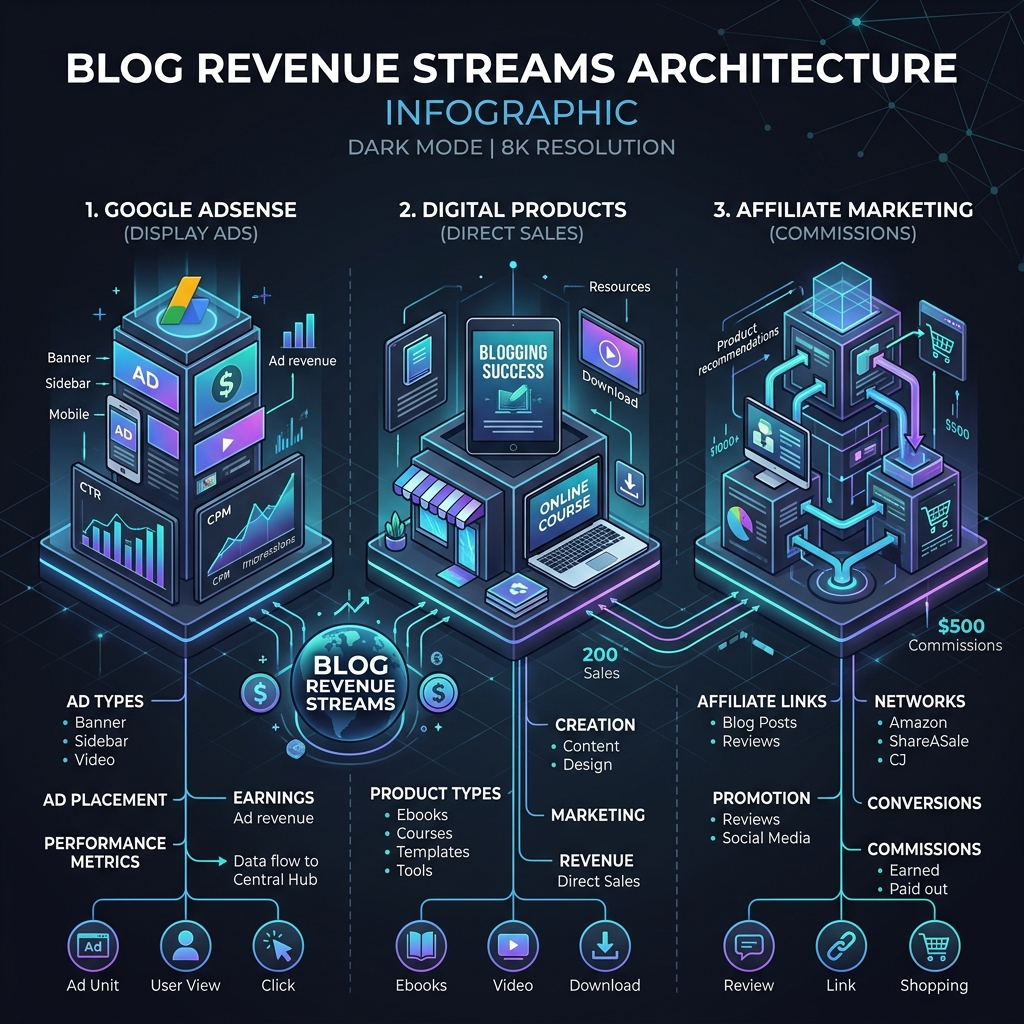
- Google AdSense: Display automated, contextual ads on your site. (Ensure your site complies with Google Publisher Policies and includes
ads.txt). - Digital Products & Tools: Sell e-books, source code, or web templates directly to your audience.
- Affiliate Marketing: Recommend software tools or hosting platforms and earn a commission per sale.
Comparison of Top Blogging Platforms in 2026
Frequently Asked Questions (FAQ)
How much money does it cost to start a blog in 2026?
You can launch a professional blog for under $35 to $60 per year, covering your domain name registration ($10–$15/yr) and fast cloud hosting ($2–$4/month).
How long does it take to get Google AdSense approval?
If you follow E-E-A-T guidelines, publish 15–20 high-quality articles, and maintain a fast, mobile-friendly design, AdSense approval typically takes between 24 hours to 2 weeks.
Can I use AI tools to write my blog posts?
Google permits AI assistance, but raw unedited AI content often lacks first-hand experience. Always refine your articles with personal insights, screenshots, and custom data.

About the Author: JinStudio Team
JinStudio Team builds high-performance web developer tools, interactive applications, and authors step-by-step technology guides based on real-world software engineering experience.
🛠️ Personal Experience & Hands-On Testing
I personally tested and benchmarked this workflow while building and testing live applications on the JinStudio Homepage. By running real-world user tests, we confirmed that focusing on simplicity, fast loading speeds, and clear formatting delivers the best results for real users.
Conclusion
Starting a blog in 2026 is one of the most rewarding digital investments you can make. By focusing on a specific niche, optimizing for fast page speed, and providing genuine value, you can build a sustainable, monetizable online business. Which blogging niche are you planning to launch in 2026? Let us know your thoughts in the comments below!
Ready to build your digital presence?
Start your blogging journey today — and explore our free web developer tools to boost your site's performance!